Category 1, 2 and 3 Water Damage: What the Category Means for Your Phoenix Home
Short answer: restoration work is priced and planned around three water categories. Category 1 is clean water from a supply line. Category 2 is water with meaningful contamination. Category 3 is grossly contaminated — sewage, or storm water that has run across the ground. The category decides what gets dried and what gets thrown in a skip, and it is the single biggest driver of what the job costs.
The part that surprises most Phoenix homeowners is that the category is not fixed. Clean water does not stay clean. Left sitting, Category 1 becomes Category 2, and Category 2 becomes Category 3, and each step down removes another set of materials from the “can be saved” list.
What are the three water damage categories?
The framework comes from the IICRC S500, which is the standard restoration contractors and insurance adjusters both work from. It is worth knowing the vocabulary, because it is the language your adjuster will use.
| Category | What it is | Typical Phoenix source |
|---|---|---|
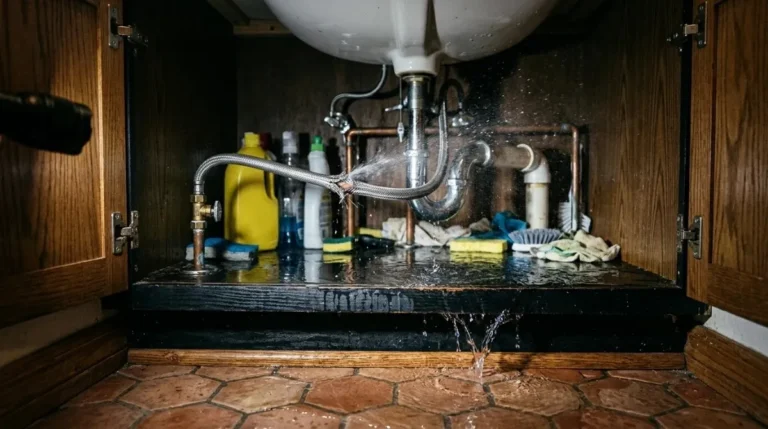
| Category 1 Clean water | From a sanitary source. No substantial risk from contact, ingestion or inhalation. | Burst copper supply line, water heater tank split, ice maker line, overflowing bath |
| Category 2 Grey water | Significant contamination. Capable of causing illness on contact or ingestion. | Washing machine discharge, dishwasher overflow, toilet overflow with urine only, AC condensate drain pan |
| Category 3 Black water | Grossly contaminated. Can contain pathogens, toxins and other harmful agents. | Sewer backup, toilet overflow past the trap, monsoon runoff entering through a door or garage |
Why does the category matter so much?
Because it decides the difference between drying and demolition.
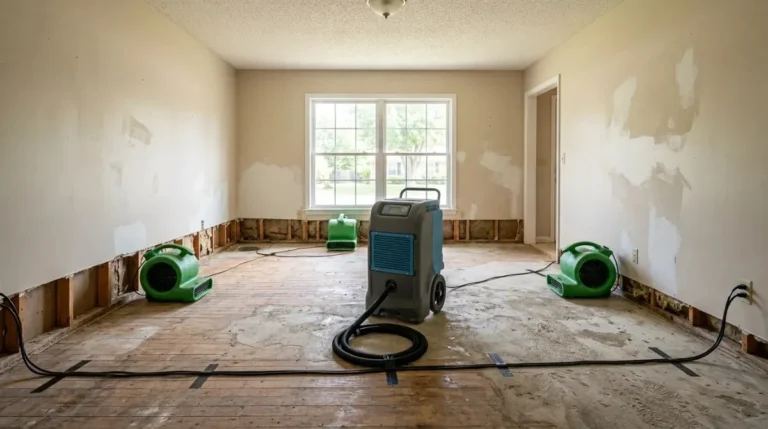
Category 1 means most of the structure can be dried in place. Drywall, framing, cabinetry and often the carpet itself stay where they are, with air movers and dehumidifiers doing the work.
Category 2 means the porous materials start coming out. Carpet pad goes. Affected drywall usually goes. Hard, non-porous surfaces are cleaned and dried.
Category 3 means every porous material the water touched is removed and discarded. Carpet, pad, drywall to a line above the water mark, insulation, particleboard cabinetry, porous subfloor. There is no version of Category 3 where the carpet is saved.
How fast does clean water stop being clean?
Faster than most people expect. Category 1 water is generally treated as Category 2 once it has been sitting for 24 to 48 hours, whatever it started as. Bacteria already present in the building materials, the dust and the carpet begin multiplying in it, and the water picks up whatever it is standing on.
This is the mechanism behind a sentence Phoenix homeowners hear a lot: “if we had been called on the Saturday we could have saved the floor.” It is not a sales line. A clean supply-line break on Saturday morning is a drying job. The same break discovered Monday evening is a removal job, because the water is no longer Category 1 and the pad is no longer salvageable.
Phoenix adds its own twist here. In summer a house sitting closed at 85°F with wet carpet is close to an incubator, and the clock runs faster than the same loss would in a cooler, drier month.
Is monsoon water Category 3?
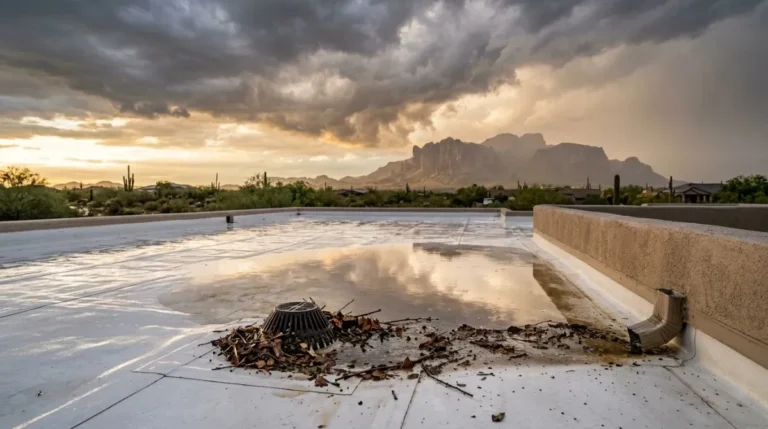
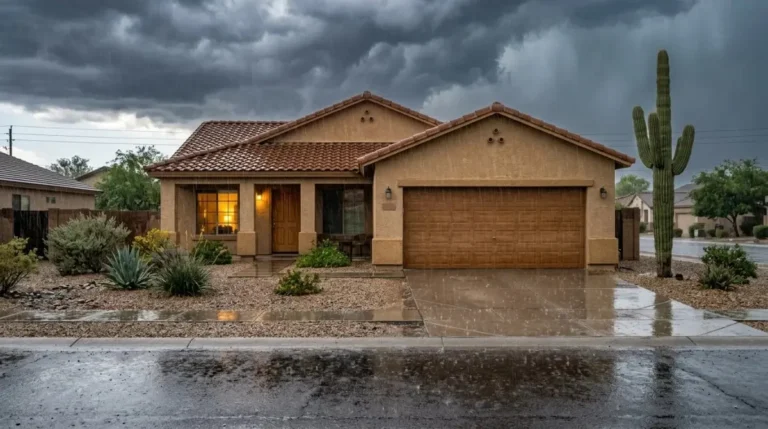
If it came in across the ground, yes. Storm water that has run over a yard, a driveway or a street picks up soil bacteria, fertiliser, animal waste and whatever was in the road, and the S500 treats ground-borne flood water as grossly contaminated.
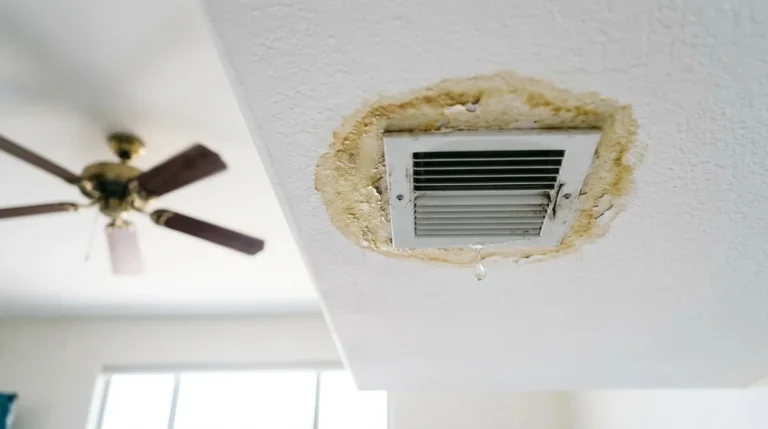
Rain that came through a roof opening is a different question. Water that fell through a wind-damaged tile or a lifted section of flat roof and landed on an attic floor may still be Category 1 at the moment it lands — but it degrades on the same timetable as anything else, and by the time a ceiling stain appears downstairs, days have usually passed.
That difference also matters for the paperwork, because ground-level flooding and roof-opening water are handled by two completely different policies. We cover that split in detail in water damage vs flood damage in Phoenix.
Can carpet be saved after water damage?
It depends entirely on the category and the clock.
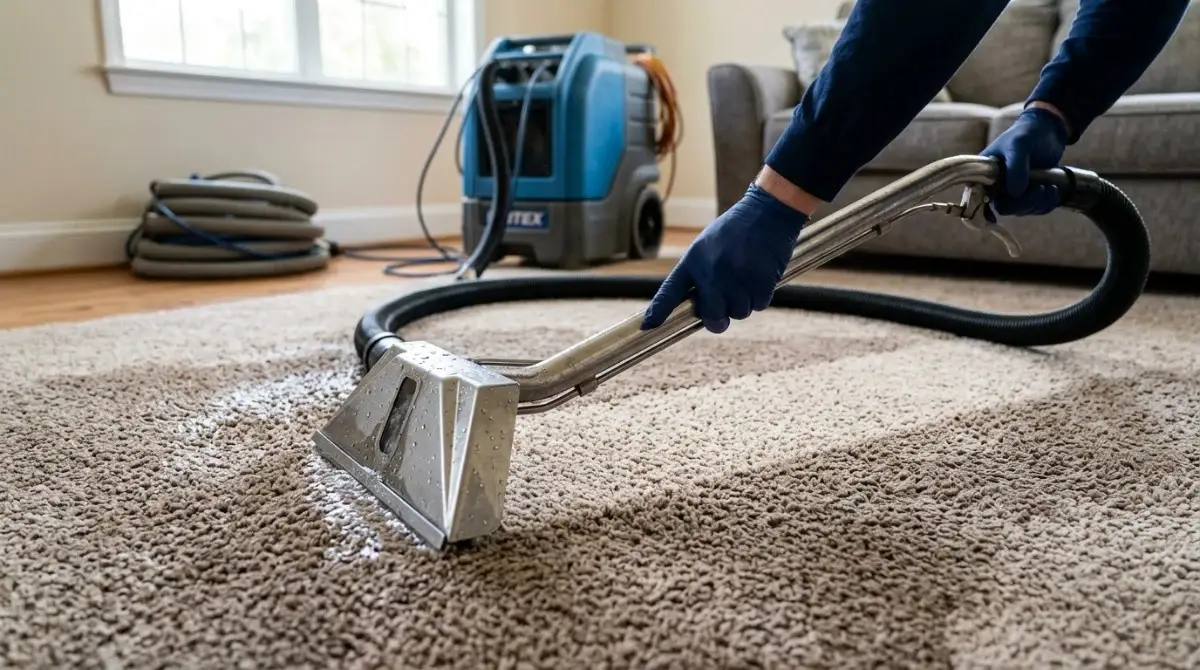
Category 1, within 24 to 48 hours: the carpet face fibre can usually be saved with professional extraction and drying. The pad underneath usually cannot. Pad behaves like a sponge, holds water far longer than the carpet above it, and supports bacterial growth even when the water that soaked it was clean. Pulling and replacing pad while saving carpet is a normal, routine outcome.
Category 2: pad out, carpet assessed case by case, affected drywall usually out.
Category 3: carpet and pad both out, no exceptions.
What does the category mean for an insurance claim?
Two things worth knowing before you speak to an adjuster.
The category is not what decides coverage — the cause is. A Category 3 sewer backup may be covered if you carry the backup endorsement, and a Category 1 supply-line leak may be denied if the adjuster decides it had been weeping for months. Insurers pay for sudden and accidental, and they exclude gradual. The category describes the contamination, not the timeline.
But the category shapes the scope. Category 3 requires removal of porous materials by standard, which means the estimate contains demolition, disposal and rebuild rather than just drying equipment. Adjusters expect that, and a scope that does not reflect the category is a scope that gets queried.
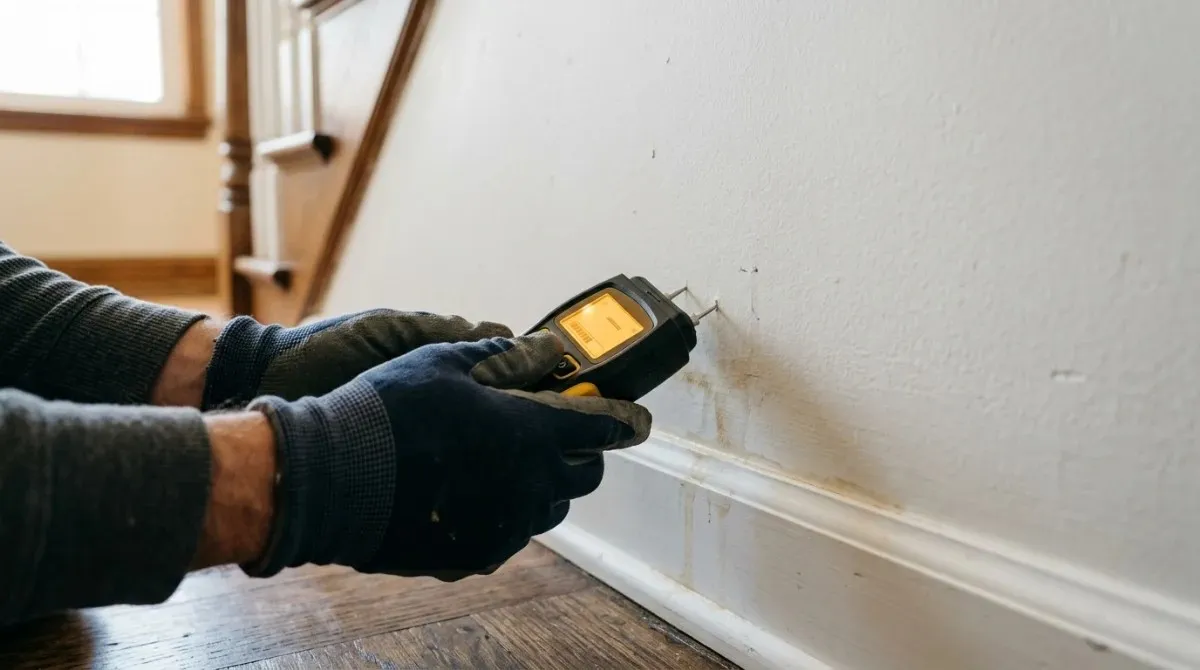
The practical move is the same either way: photograph everything before anything is moved, note the date and time you found it, and get moisture readings taken before demolition starts. That record is what settles arguments later.
What should you do before anyone arrives?
Stop the water. House shut-off for a supply-line break; for the water heater, the cold inlet valve on top of the tank.
Assume the worst category until someone confirms otherwise. If it came from the ground, off the street, or past a toilet trap, keep people and pets out of it. Do not walk through it and then across dry carpet in the next room.
Photograph before you move anything. Wide shots and close shots, with the date.
Do not start pulling carpet yourself on a Category 3. Handling contaminated material without containment spreads it, and you may remove the evidence your adjuster needs.
Move what you can lift. Furniture off wet flooring, and anything with a metal foot off carpet before it stains.
The short version
Category 1 is clean and mostly dryable. Category 2 means the pad and some drywall come out. Category 3 means everything porous goes. And clean water only stays Category 1 for 24 to 48 hours — which is why the size of the eventual bill is usually decided in the first day, not by the size of the leak.
Standing water in a Phoenix home right now? Call (602) 962-2002 and we will connect you with a local restoration contractor. There is more on the drying stage in how long water damage takes to dry, and on what comes after a slow or hidden loss on our mold remediation page.