Why Mold Shows Up Days After Water Damage in the Phoenix Heat
Why Mold Moves Faster Here Than People Expect
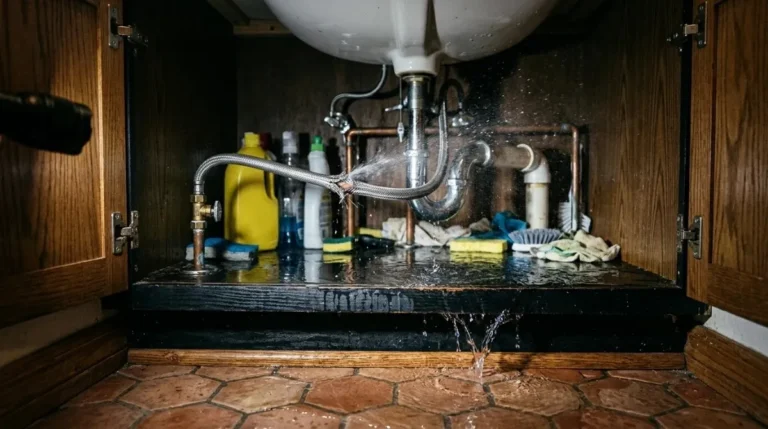
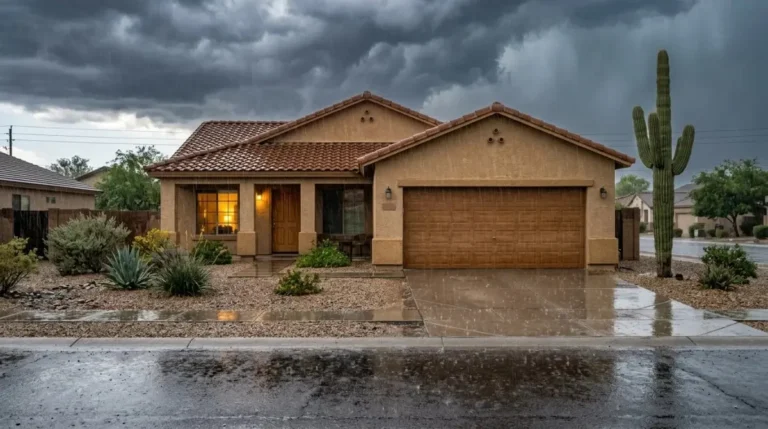
People assume Phoenix’s dry desert air makes mold unlikely, but that assumption is exactly what lets it get a head start. The threat is not outdoor humidity, it is what happens behind a wall after a supply line leak, a water heater failure, or a roof intrusion during monsoon season. Trapped moisture combined with the steady 78 to 80 degree indoor temperature that most Phoenix homes run creates a warm, humid microclimate inside the wall cavity itself, even while the hallway outside reads ten percent relative humidity on the thermostat. Mold spores are already present in every home, and they only need that pocket of trapped moisture to begin colonizing, often within 24 to 48 hours.
The 24 to 48 Hour Window That Decides Everything
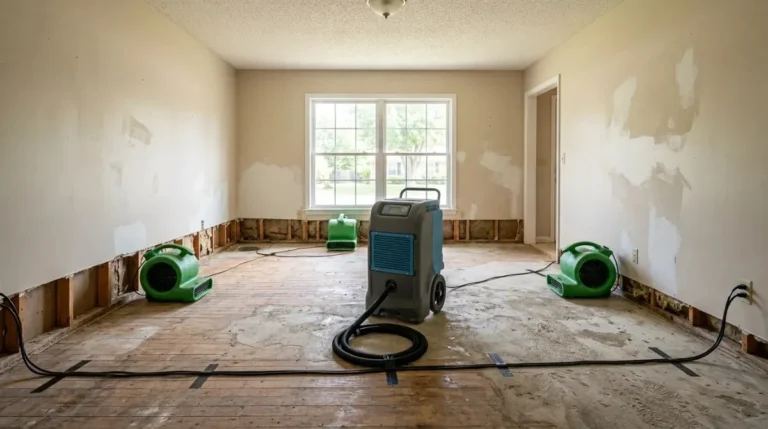
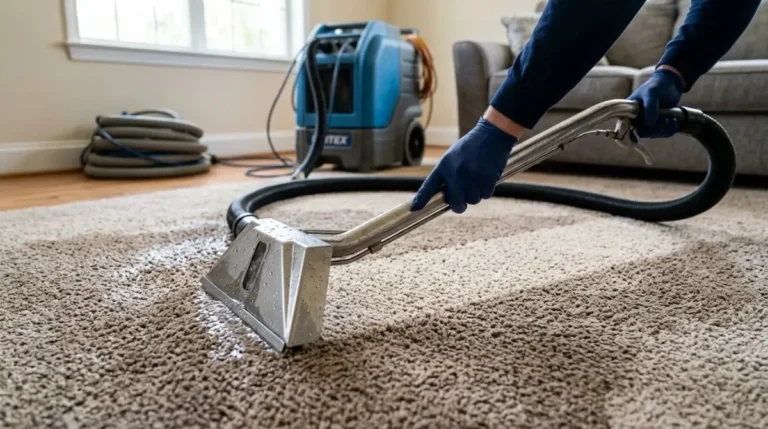
Standing water, wet drywall, and soaked carpet padding need to be extracted and structurally dried, not just surface-dried with a box fan, inside that first day or two, or colonization becomes very likely. The common homeowner instinct to open windows and let a room air out actually works against this in the summer, because during monsoon season the outdoor dew point in the Phoenix Valley climbs high enough that open windows can add humidity back into a wet room instead of removing it.
Where Mold Hides After a Leak in a Phoenix Home
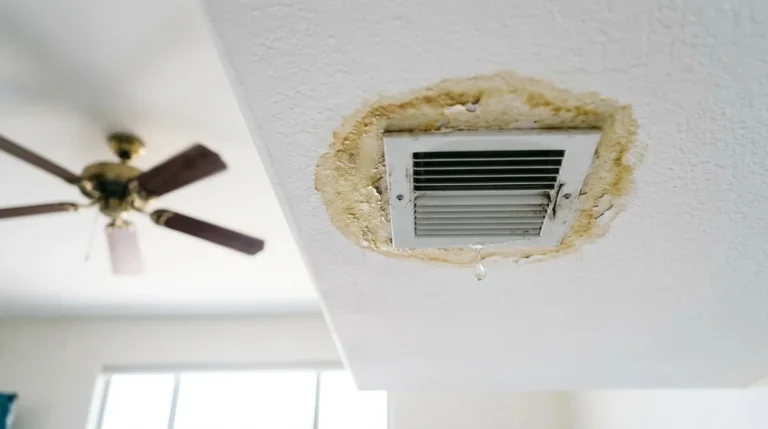
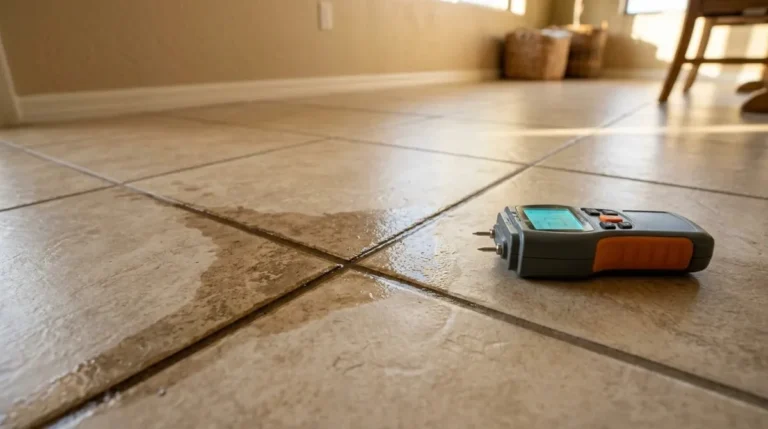
Local construction creates its own hiding spots. Stucco exteriors sit over wood or OSB sheathing that can trap moisture behind it for weeks without any visible sign on the painted surface. Tile-over-slab flooring, common throughout the Valley, lets water travel sideways and pool under baseboards where nobody looks until the smell shows up. Older homes still running an evaporative cooler carry a chronic moisture source in the cooler pads and ductwork that a standard home inspection often misses. And in the attic, AC condensate drain lines and pans clog more often in peak summer and can overflow quietly into ceiling insulation for days before a stain appears on the drywall below.
Why Air Conditioning Makes It Worse, Not Better
Most Phoenix homes run ductwork through the attic, and once mold spores are released near a damp air handler or a leaking supply line, that ductwork can spread them through every room the system serves. Cranking the AC after a leak also creates a false sense of progress: the moving air dries the surface of the drywall or carpet quickly, but it does very little to pull moisture out of a wall cavity, subfloor, or the underside of tile, where the actual colonization risk lives.
What a Restoration Crew Checks That You Can’t See
A proper inspection goes well beyond a visual walk-through. Moisture meters get pressed into wall cavities near the leak site, thermal imaging cameras scan for trapped moisture behind drywall and under tile that is invisible to the eye, and the crew checks under baseboards and around exterior wall penetrations where water tends to travel farthest from the original source. In the attic, insulation near AC lines and ductwork gets checked specifically, since that is where a slow condensate leak most often goes unnoticed the longest.
When to Call a Professional Immediately
A musty odor that lingers more than a couple of days, visible discoloration on drywall or baseboards, a leak that went undiscovered for more than 24 hours, or any water intrusion during monsoon season when humidity briefly spikes across the Valley are all reasons to call a professional right away rather than waiting to see if it dries out on its own. ValleyDry’s water damage and mold remediation team responds quickly across the Phoenix Valley and knows exactly where local construction likes to hide moisture, which is often the difference between a same-day fix and a much larger repair.